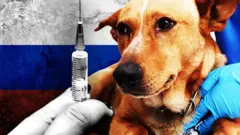
Vaccine Controversy in Russia


Dozens of dogs are reported to have died after receiving a vaccine produced in Russia, highlighting the increasingly limited choices for veterinary medicines in the country since the military campaign in Ukraine began.
Symptoms and Reactions
Pet owners in the Yaroslavl region believed they were protecting their pets from common dangerous diseases by taking them for routine vaccinations. However, shortly after vaccination, many dogs exhibited severe symptoms such as high fever, seizures, vomiting, and bleeding, with several not surviving.
One grieving pet owner stated, “It was because of this vaccine that we lost our beloved pet,” expressing deep pain and regret.
Social Media Appeals
On Russian social media platform VK, a desperate dog owner sought help, asking for treatment protocols for their hospitalized dog. Many cases have been linked to Multikan-8, a combined vaccine produced in Russia for rabies and other infections.
The affected dogs were mostly from the same production batch administered to around 100 animals in August.
Investigation and Manufacturer Response
There is currently no official data on the number of dog deaths or a confirmed causal relationship between the vaccine and the illnesses. Isolated cases have also been reported in Moscow, Kaliningrad, Saratov, Tyumen, and other regions.
Vetbiohim, the manufacturer, initially recalled the questioned vaccine batch and later advised veterinarians against using other Multikan-6 and Multikan-8 batches during further testing. The company claims that the onset of illness immediately after vaccination does not prove their product caused the incidents and suggested possible “organized sabotage” from hostile third parties without providing public evidence.
Regulatory Actions
The Russian veterinary authority, Rosselkhoznadzor, plans to involve the prosecutor’s office in the investigation of the manufacturer. However, concerns among dog owners extend beyond a single vaccine or production batch.
Wider Crisis in Veterinary Medicine
The deaths have exposed a broader crisis in Russia’s veterinary industry following the full-scale invasion of Ukraine in February 2022. Prior to the invasion, many pet owners and private clinics relied on reputable imported vaccines such as Nobivac, Eurican, and Biocan, but supplies have drastically diminished or ceased as Western manufacturers withdrew or reduced operations in Russia.
While veterinary medicines are not completely banned under Western sanctions, the increasing economic isolation of Russia complicates payment, logistics, and trade.
New Regulations and Domestic Production
From September 2023, foreign veterinary medicine manufacturers must have Good Manufacturing Practice certification approved by Russia. Products from non-compliant factories will no longer be legally supplied.
The cumulative effect of these factors has led to the disappearance of many familiar vaccines and medicines, increasing dependence on domestically produced alternatives.
Russian authorities claim domestic production capacity has improved enough to replace imports, asserting there is no overall shortage.
Current Vaccine Landscape
While some domestically produced vaccines are available, they may not provide the same level of protection as previous imports. Imported products can sometimes be obtained through intermediaries or personal imports, but they are expensive and unreliable.
Vaccines require controlled refrigeration during transport, and unofficially imported products may be counterfeit or damaged due to improper temperature maintenance, leaving pet owners with difficult choices.
Trust and Safety Concerns
Pet owners face limited options: they can use a small number of legally available vaccines, seek expensive and potentially unreliable imported products, or leave their pets unvaccinated against serious diseases. Veterinarians emphasize that suspected cases related to Multikan should not be taken as evidence that vaccinations are generally dangerous, especially since rabies has a 100% fatality rate and can be transmitted to humans.
However, for those who have lost pets, trust in protective measures has been severely shaken. Until investigators determine what happened with the recalled vaccine batches and whether they caused the deaths, the broader question remains: what are the safe alternatives for pet owners in Russia?